 Quven
Quven'%3e%3cpath%20d='M0%200v40h60V0z'%20fill='%23012169'/%3e%3cpath%20d='M0%200l60%2040m0-40L0%2040'%20stroke='%23fff'%20stroke-width='8'/%3e%3cpath%20d='M0%200l60%2040m0-40L0%2040'%20clip-path='url(%23d)'%20stroke='%23C8102E'%20stroke-width='5'/%3e%3cpath%20d='M30%200v40M0%2020h60'%20stroke='%23fff'%20stroke-width='13'/%3e%3cpath%20d='M30%200v40M0%2020h60'%20stroke='%23C8102E'%20stroke-width='8'/%3e%3c/g%3e%3c/svg%3e)


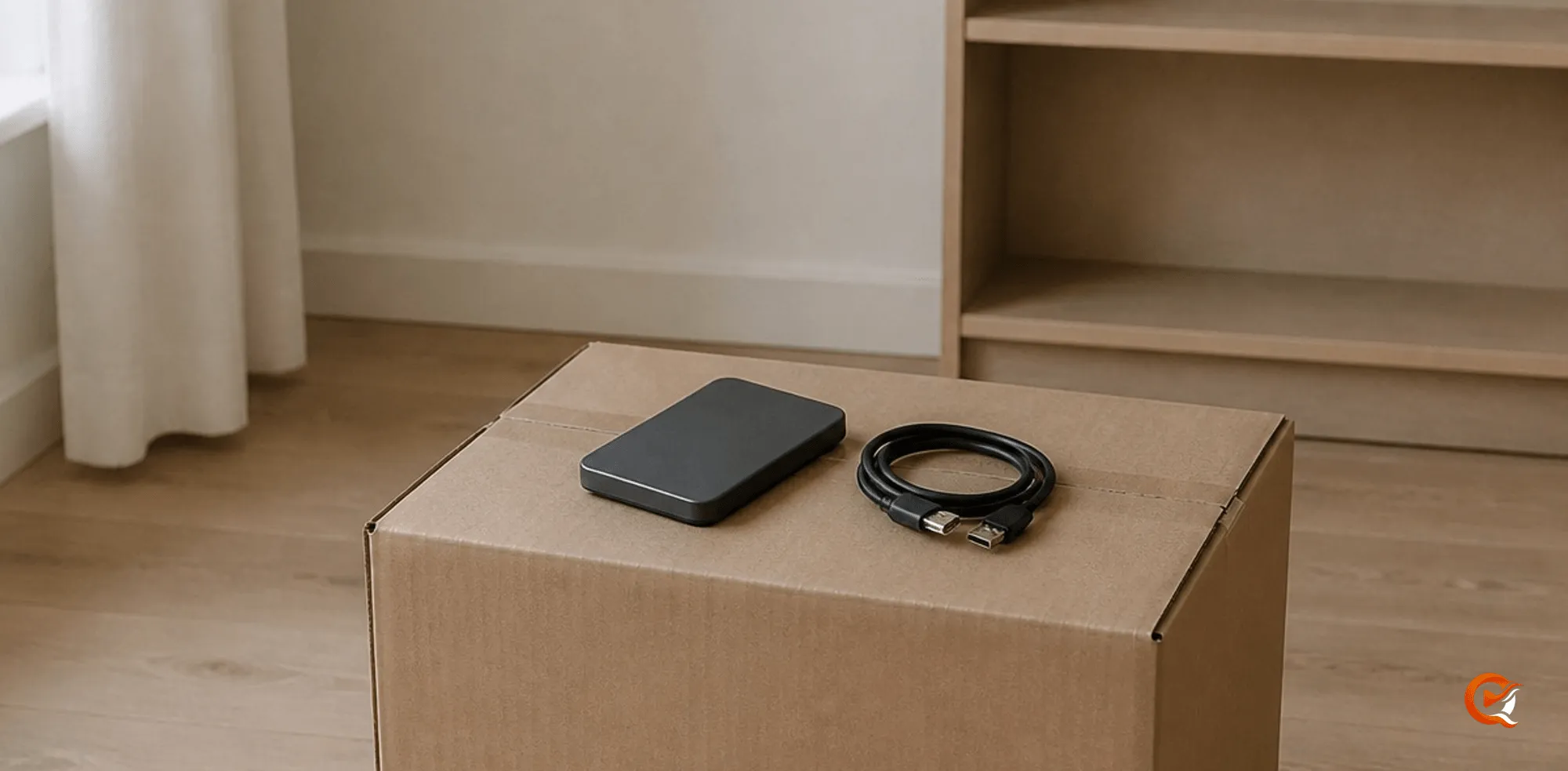
We’re asked fairly often whether it’s worth cleaning up a media library before moving it to Quven. Our answer is no, at least not first, and the reason is how the mess got there.
A drive fills up, a better copy of a favourite film turns up, an older television plays one version more happily than the newer one does, and somebody keeps an extended cut because throwing it away felt wrong. After a server change and a replaced disk you’re left with final.mkv, final-2.mkv and three folders called Archive. The instinct is to rename the lot and start fresh. But that’s also how a library loses the one 1080p copy that actually played on the second television, or the subtitle file nobody notices until it’s needed.
The folder is not the problem
The files on the disks are the archive. The catalogue is only an index around them, with artwork and titles, plus the progress each person has made. An index can be wrong for a while, because it can be rebuilt. But a source file that has been moved, overwritten or re-encoded can’t be rebuilt from anything. So the first move is to change as little as possible:
- Keep the paths where they are.
- Make sure there’s an independent backup.
- Give the new server a readable sample of the library to see what it makes of it, so there’s always a route back to the setup you had.
Don’t rename a few hundred files and switch server software in the same evening.
The first scan should feel like a rehearsal
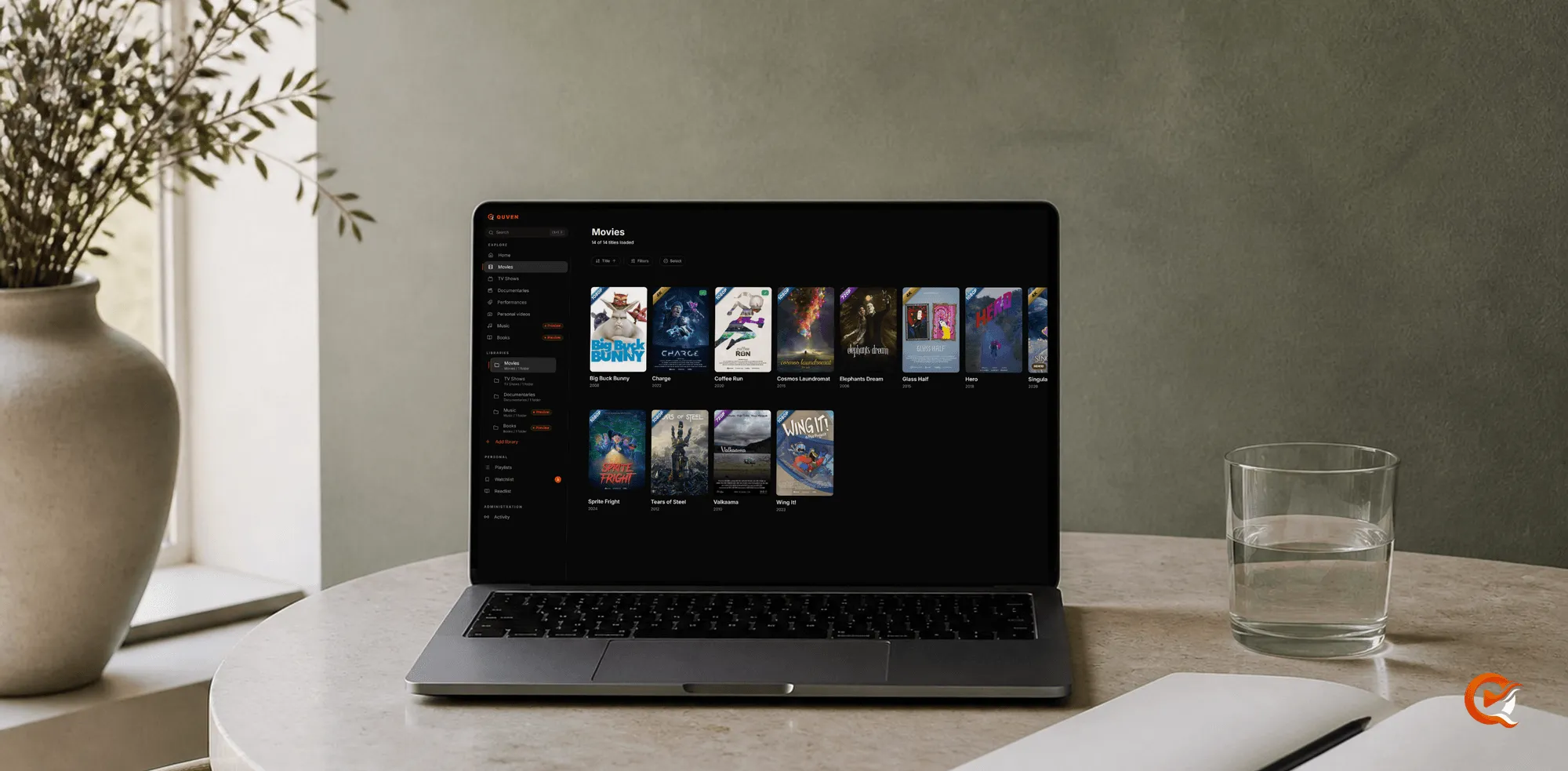
Although a full scan produces posters quickly, that speed makes it a poor first test. A better one is the handful of files that have been making your library awkward for years: the remake with the identical title, the foreign release name, the episode with a strange season layout and the big remux, the film with a sidecar subtitle or the one with two cuts. If those come out right, you can expand from there, and if they don’t, you’ve found what to fix while it’s still a handful. And that’s the whole point of a rehearsal.
A good filename answers one question: what is this? A title and a year do most of the work, markers for season and episode do the same for television, and you add only what separates versions:
Heat (1995) {edition-Director's Cut}.mkv
Heat (1995) {edition-Theatrical}.mkv
Severance - S01E03.mkv
The copy you almost delete is usually there for a reason
“Keep the best one” is reasonable advice until you ask which screen it’s best for. The 4K HDR file may be right for the living room, while a lighter 1080p copy may direct-play on a device that would otherwise make the server work for no good reason, and neither fact makes the other file a mistake. A theatrical cut and an extended cut are plainly different films to the person who cares. And another audio language can turn an apparently redundant file into the only version a guest can enjoy.
That’s why we don’t treat every second copy as a failure of organisation. In Quven, an ordinary scan reads the folders you choose and leaves the source media where it is, several physical files can live under one title, and a Sources picker at playback lets you choose between them, even when the files differ in resolution or in cut. The server groups the files. It won’t decide that one is disposable.
When a match is uncertain, keep it visible
The wrong catalogue entry that does the most damage is the plausible one, because the poster looks right and the title is familiar, so nobody notices that it points to the remake. Keep the uncertain ones visible: check a missing year, look at the runtime, open the file if the edition matters. A short list of items needing review means the matcher stopped where a person knows more than a filename does, which is what you want it to do.
Do this before the old setup is retired. A scan only tells you that the folders are reachable, and it doesn’t prove that the right episode starts, that the subtitle turns up or that a different screen gets a sensible playback route. Those checks decide whether the household still trusts the new setup a week later.
A server should earn the right to become the default
Leave the old arrangement alone for a while and use the new one for real, and let someone else try to find a series without help. The files that make them ask a question tell you more than a perfect first screenshot ever will. Then improve the details in small batches: rename a confusing folder, add an edition label, remove a copy that’s really unnecessary once you’ve confirmed you can get it back. Nobody needs the whole library finished in a weekend, and what you’re after is a library you can still make sense of when the next disk, the next client or the next media server turns up.
For the practical version of this process, read how to move an existing media library without rewriting your files. If the starting point is still the folder structure itself, this guide to organising films and TV shows is the useful first pass.
Community
Comments
0 comments
No comments yet. Start the conversation.